
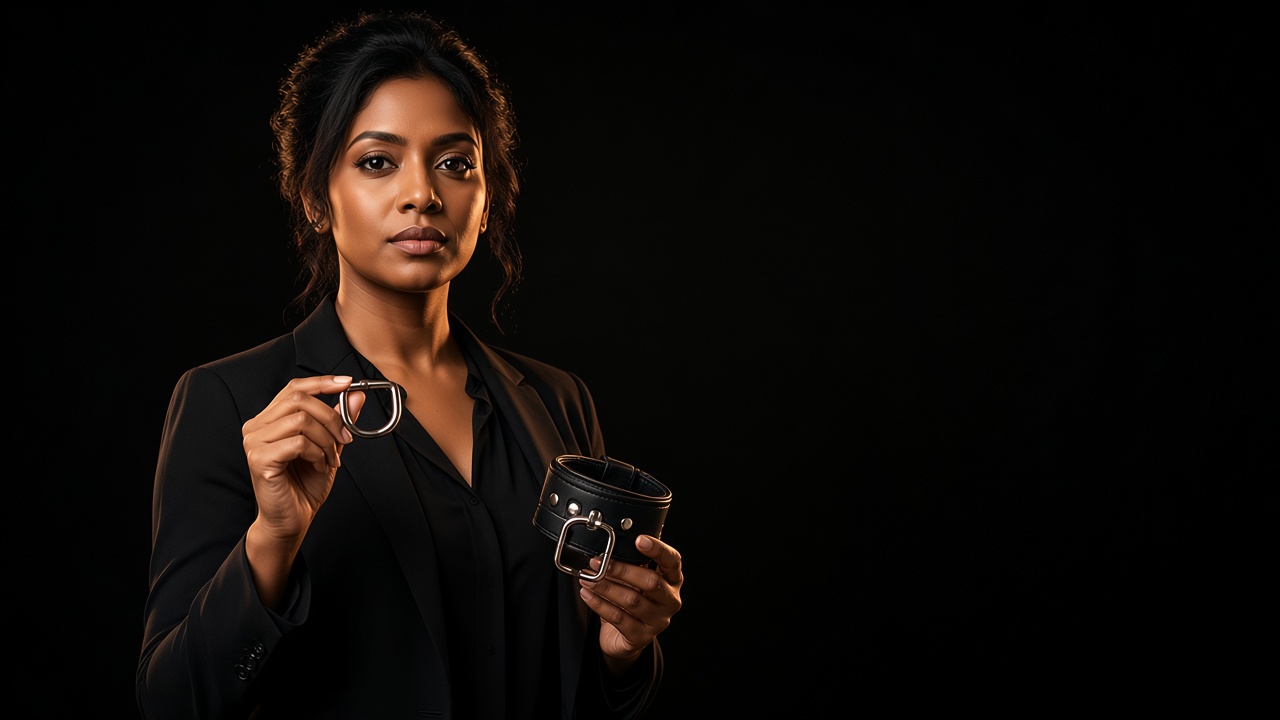
A research-based materials guide for consenting adults aged 18+. Not an allergy assessment, a medical device review or a hands-on test of any product.
How titanium, stainless steel and plated finishes compare
| Question | Titanium | Stainless steel | Plated finishes |
|---|---|---|---|
| What a label usually tells you | A stated base metal, if the listing names the whole part and not only a coating | A family of alloys, unless a grade is named | A surface layer; the base metal still needs to be identified |
| Nickel in the named alloy or specification | Nickel is not listed in Flight Metals’ ASTM F136 Ti-6Al-4V ELI composition table; Octopus Studio says its titanium piercing jewelry contains no nickel. | 316L (UNS S31603): 10.0–14.0% nickel by mass. Perfectra notes that 316L contains nickel. | Depends on the coating and the base. Emma Alamo says its nickel-plated option is not suitable for people with nickel allergies. |
| Does alloy content settle release from a finished part? | Not stated as a release measurement in these sources. | No. Perfectra says nickel’s presence does not, by itself, determine how much a finished product releases. | Not stated as a measured rate here. TÜV SÜD notes coated items can be wear-tested under EN 12472 before a nickel-release test. |
| Maker cautions about long wear or sensitivity | Octopus Studio recommends titanium for extremely strong metal allergies, and says to check whether attachments are steel. | Octopus Studio says people extremely sensitive to nickel may tolerate titanium or niobium better than steel. | Restrained Grace: plating has a lifespan; it recommends solid metals for 24/7 collars. |
| Surface wear and care notes | Anodized color can wear with longer use; Octopus Studio cleans piercing jewelry with water and antibacterial soap. | Not stated for uncoated BDSM fittings in these sources. | Plating fades with wear; polishing cloths can remove it quickly; water and sweat can react with plating. A PVD surface layer does not last forever, according to Octopus Studio. |
| Documentation worth asking for | Whether every skin-contact part is titanium, and whether a named specification such as ASTM F136 is documented. | The exact grade for each part, plus material or test documentation if available. | The base metal, the coating process, and what the maker recommends when the finish wears. |
What to check before checkout
- Ask for the named grade or composition of every skin-contact part: buckles, rings, snaps, rivets, locks and chain—not just the buckle. A generic “hypoallergenic” or “stainless” claim is not enough.
- Is any part plated, PVD-coated or otherwise finished, and what is the base metal under that coating? TÜV SÜD cites EN 1811:2023 for nickel release and EN 12472:2020 for wear-testing coated items under REACH Annex XVII entry 27. That is a methods summary, not a test of any product here.
- Restrained Grace publishes a nickel-content claim for its Signature Day Collar, and describes that collar’s PVD plating as a titanium coating. Those claims apply to that product, not to every PVD finish.
- What does the maker recommend if the finish wears, flakes or becomes rough? Are the care instructions specific to the assembled item, including adjacent leather?
- Related: solid brass vs nickel-plated hardware, restraint cuff buying checklist, measuring wrists and ankles for leather cuffs, gear cleaning and aftercare guide, and retailer evaluation guide.
Sources
- Emma Alamo: Materials and care
- Restrained Grace: Care & Cleaning
- Restrained Grace: The Signature Day Collar
- Octopus Studio: Materials
- Perfectra: What adult product buyers should know about stainless steel BDSM hardware
- British Stainless Steel Association: Chemical compositions of AISI, ASTM/ASME and UNS austenitic stainless steel grades
- Flight Metals: ASTM F136 Titanium 6Al-4V ELI
- TÜV SÜD: EU nickel release standard EN 1811